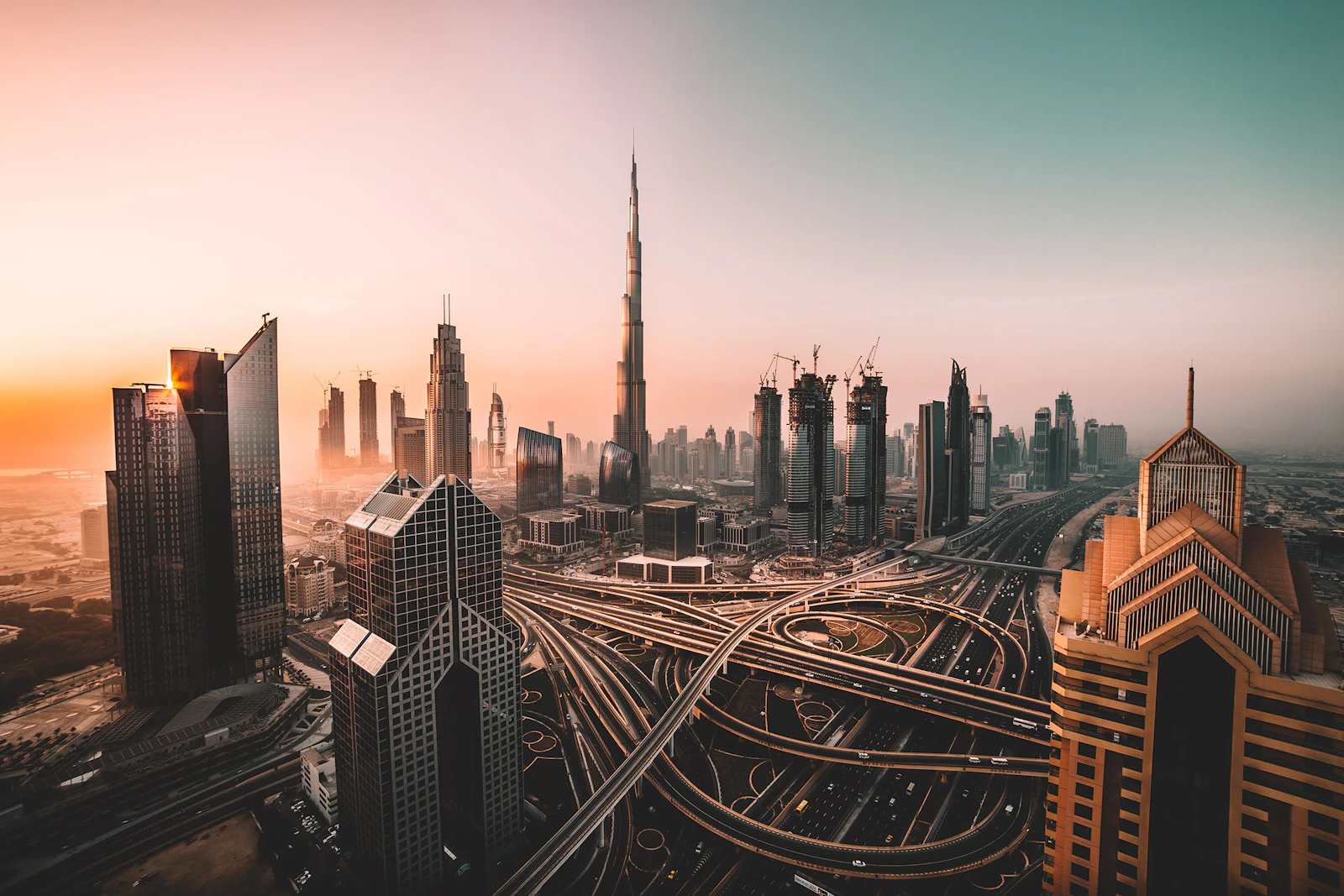
When most people think of the UAE, they imagine glass towers, man-made islands, and the relentless ambition of a nation built in decades. But hidden within the country's interior — and quietly on the international heritage stage — lies something far more ancient: a landscape occupied continuously for over five millennia, recognised by UNESCO as among humanity's most significant cultural landscapes.
The UAE currently holds four component sites under one UNESCO World Heritage inscription, all concentrated in and around Al Ain in Abu Dhabi. These sites collectively represent the "Al Ain Oasis" inscription, which UNESCO recognised in 2011 under the title "Al Ain (Oasis, Archaeological Sites and Cultural Landscape)". A further 14 sites are on the UAE's Tentative List — candidates awaiting full nomination.
What makes these sites extraordinary is not just their age — though Bronze Age tombs predating the Egyptian Pyramids are certainly remarkable — but what they reveal about human ingenuity under extreme conditions. Here, people developed sophisticated irrigation systems, established trade routes, and built communities in one of the world's harshest climates. The story of the UAE did not begin in 1971.
In This Guide
Al Ain Oasis
The Living Falaj System · Al Ain, Abu Dhabi

Al Ain Oasis is the centrepiece of the UAE's UNESCO inscription — and for good reason. Spanning 1,200 hectares in the heart of the city, it is one of the world's largest living oases, a functioning agricultural landscape that has sustained human life continuously for roughly 5,000 years.
The system that makes it possible is called the falaj — a network of underground channels that transport groundwater from distant aquifers to the oasis without the use of pumps. This ancient hydraulic engineering, refined over centuries, is classified by UNESCO as one of humanity's great feats of practical ingenuity. The Al Ain falaj system remains active today, irrigating thousands of date palms and fruit trees.
Walking the shaded pathways through the oasis is an experience of profound contrast. Just outside the walls, the city of Al Ain sprawls in the desert heat. Inside, the temperature drops several degrees, the air carries moisture and the fragrance of dates, and the sound of the city disappears into the rustling of palm fronds. It is, as UNESCO puts it, a "cultural landscape" — not just a ruin, but a living system.
"The falaj is not ancient technology — it is timeless technology. It works today exactly as it did three thousand years ago, and it will work three thousand years from now."
— Eco Centre exhibit, Al Ain Oasis
The Eco Centre at the oasis entrance translates this history into interactive exhibits, making the falaj system comprehensible and remarkable in equal measure. Nearby, the Al Jahili Fort — one of the UAE's largest and best-preserved forts — provides a further layer of historical context. For palace history, the Al Ain Palace Museum (the former residence of the late Sheikh Zayed bin Sultan Al Nahyan) rounds out the experience.
Hili Archaeological Park
Bronze Age Settlement · 10 km from Al Ain city centre

Located approximately 10 kilometres from the Al Ain city centre on Al Athar Street, Hili Archaeological Park is one of the most significant Bronze Age sites in the Arabian Peninsula. The park contains remains from the Umm an-Nar period (approximately 2500–2000 BCE), a culture named after an island near Abu Dhabi where similar artefacts were first identified.
The centrepiece is the Hili Grand Tomb — a circular communal burial structure roughly 12 metres in diameter. The carvings on its exterior panels, depicting human figures, oryx, and dogs, are among the finest examples of Bronze Age relief art found in the Gulf region. Archaeologists believe the tomb was used collectively by a community, challenging earlier assumptions that sophisticated burial practices were limited to larger ancient civilisations.
The nearby Hili 8 site has been particularly valuable to researchers. Excavations here revealed evidence of early agricultural practices, animal husbandry, and domestic structures that suggest a community far more organised and settled than its remote desert location would imply. Trade goods found at the site — including ceramics and metals from distant regions — confirm that Hili was connected to broader Bronze Age trade networks stretching across the Gulf and into the Indus Valley.
Today the park functions as a landscaped public space with shaded walking paths, playgrounds, and family facilities — a thoughtful decision that allows residents and tourists alike to engage with the archaeology without turning it into a museum-only experience.
Jebel Hafit Tombs
Early Bronze Age Necropolis · Foothills of Jebel Hafeet, Al Ain

The Jebel Hafit Tombs are perhaps the most visually striking of all the UAE's heritage sites — and also the least visited, partly because there is no formal tourist infrastructure at the site. Spread across the rugged foothills of Jebel Hafeet mountain near Al Ain, more than 500 beehive-shaped stone tomb structures rise from the desert, dating back to approximately 3200–2600 BCE.
This makes them older than the Great Pyramid of Giza — a fact that rarely appears in tourist brochures but deserves to be far better known. The period to which these tombs belong — the Early Bronze Age in the Gulf — is now called the "Hafit period" by archaeologists, named directly after this site. The UAE is the type-site for an entire archaeological culture.
The tombs were first documented by Danish archaeological teams in the late 1950s. Excavations found human remains, ceramics, and copper objects inside, suggesting the tombs served both as burial sites and as markers of territorial or communal identity — visible for long distances across the flat desert floor.
The site has not been developed as a formal visitor destination, and there are no facilities. For those willing to make the effort, driving the road that winds up Jebel Hafeet passes clusters of tombs visible from the car, silhouetted against the mountain. It is a haunting landscape — hundreds of stone mounds stretching to the horizon, testimony to a civilisation that chose this extraordinary location for its dead.
Bidaa Bint Saud
Rock Formation & Bronze Age Tombs · 25 km north of Al Ain
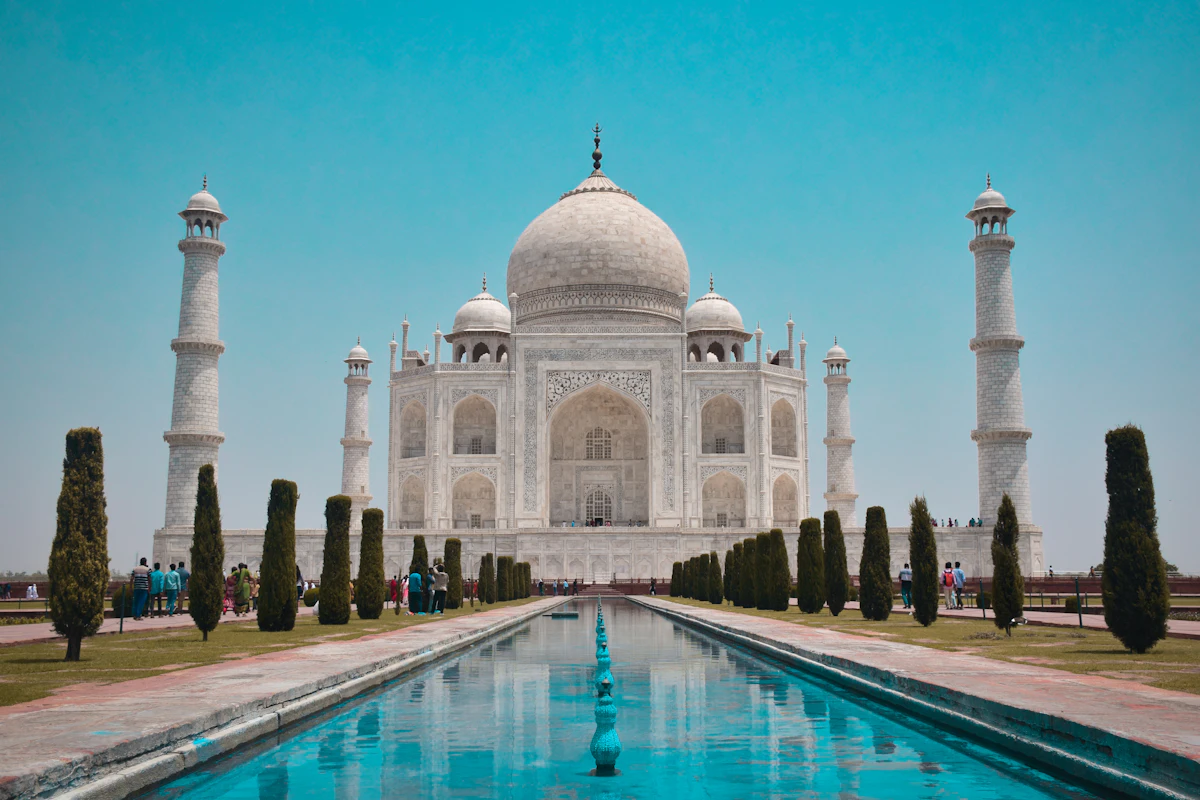
Approximately 25 kilometres north of Al Ain lies Bidaa Bint Saud, the least-known of the four UNESCO-recognised sites yet arguably the most geologically dramatic. The centrepiece is the Gharn Bint Saud rock formation — an isolated rock outcrop rising sharply from the flat desert plain, surrounded by a field of Bronze Age tombs estimated to be around 5,000 years old.
Excavations at the site have revealed multiple occupation layers. The Bronze Age tombs — similar in type to those at Jebel Hafit — are the most visible. But deeper investigations uncovered evidence of Iron Age settlement, including remains of irrigation channels and domestic structures that suggest the site was continuously occupied for millennia.
The artefacts recovered from Bidaa Bint Saud are now housed at the Al Ain National Museum, which offers the most comprehensive display of archaeological finds from the Al Ain UNESCO inscription. For visitors interested in the full context of these sites, the museum is an essential starting point.
Tentative UNESCO Sites
The Waiting List — 14 candidates across all seven emirates
A site must appear on a country's Tentative List before it can be formally nominated for UNESCO World Heritage status. The UAE's Tentative List — submitted and periodically updated to UNESCO — currently includes 14 sites spanning all seven emirates. These range from ancient archaeological landscapes to natural ecosystems to historically significant buildings still in use today.
Gate to the Trucial States
Sharjah's maritime and trading heritage, including the Al Mahatta Museum — the UAE's oldest civil aviation site.
Umm an-Nar Island Cemetery
Significant Bronze Age site off Abu Dhabi's coast. Closed to the public; active archaeological excavation continues.
Al Bidyah Mosque
Widely regarded as the UAE's oldest mosque, still in active use. Simple, distinctive domed architecture reflecting early Islamic design.
Khor Dubai (Dubai Creek)
14-km natural inlet that defined Dubai's early identity as a trading hub. First recorded reference dates to 1587.
Jazirat Al Hamra
Remarkably preserved historic pearling town with coral stone buildings, mosques, and watchtowers. Founded in the 17th century.
Julfar
Major pearl-trading port with evidence spanning early Islamic and earlier archaeological layers. Connected Gulf, Indian Ocean, East Africa, and Southeast Asia.
Dhayah
Cultural landscape of palm gardens, lagoons, mangroves, forts, and ancient settlements shaped by centuries of human-environment interaction.
Ed-Dur Site
One of the UAE's largest archaeological sites. Features a rectangular temple from the 1st century AD spanning Stone Age through Pre-Islamic periods.
Wadi Wurayah National Park
Mountain park with springs, pools, and seasonal waterfalls. Rare freshwater habitat supporting endangered species in the Hajar range.
Sir Bu Nair Island
Protected marine reserve in the Arabian Gulf. Significant biodiversity: breeding sea turtles, migratory birds, reef fish, and coral communities.
Planning Your Visit
Practical guidance for experiencing the UAE's heritage sites
When to Go
All four primary UNESCO sites are in or near Al Ain, approximately 160 kilometres from Dubai (about 90 minutes by car). The best months to visit are November through March, when temperatures are comfortable (18–28°C). Summer visits are technically possible but the heat (often exceeding 45°C) makes outdoor sites like Jebel Hafit Tombs and Bidaa Bint Saud genuinely uncomfortable and potentially dangerous.
Suggested Itinerary (1 Day)
- Morning (09:00–11:30): Al Ain Oasis and Eco Centre — allow at least 90 minutes to walk the main pathways. Visit Al Jahili Fort nearby.
- Late Morning (11:30–13:00): Al Ain National Museum for artefacts from Bidaa Bint Saud, Hili, and context for all sites.
- Afternoon (14:30–16:30): Hili Archaeological Park — explore the Grand Tomb and excavation areas.
- Late Afternoon (17:00–18:30): Drive the Jebel Hafeet road — tombs are visible from the road at the foothills.
Getting There
Al Ain is accessible by car from Dubai (E66 highway, approx. 90 min) and Abu Dhabi (approx. 90 min). There is no direct train service. Public buses connect Dubai and Abu Dhabi to Al Ain, but a rental car is strongly recommended to visit multiple sites in a day.
Entry Fees
Al Ain Oasis and Hili Archaeological Park are free to enter. The Al Ain National Museum charges a small admission fee (typically AED 3). The Jebel Hafit Tombs and Bidaa Bint Saud have no entry fee but also no facilities.
Frequently Asked Questions
How many UNESCO World Heritage Sites does the UAE have?
Are the UAE's UNESCO sites protected by law?
What is the Umm an-Nar culture?
Can tourists visit all four UNESCO sites?
What is the falaj irrigation system?
The UAE's UNESCO sites are not relics of a lost world. They are proof that this land has always been inhabited by people who understood how to read it — its aquifers, its stone, its seasons. The towers came later. The ingenuity was always here.